Leak detection and repair
At Herb's Plumbing and Heating, we understand that water leaks can cause significant damage to your home and lead to costly repairs if not addressed promptly. Our leak detection and repair service utilizes advanced technology and techniques to accurately identify the source of leaks, whether they’re hidden within walls, slabs, or ceilings. Our skilled technicians are equipped with state-of-the-art tools to quickly diagnose the problem and provide efficient, lasting solutions to prevent further damage. With our commitment to quality and customer satisfaction, you can trust Herb's Plumbing and Heating to keep your home safe and dry.
Types of Plumbing Leaks
Plumbing leaks can arise from various sources within your home's plumbing system. Common types include faucet leaks, which often occur due to worn washers or damaged O-rings. Pipe leaks can happen anywhere in the system, particularly in older pipes that have corroded over time. Slab leaks, originating beneath concrete slabs, can be particularly challenging as they may lead to significant water damage if not addressed promptly. Moreover, toilet leaks may stem from faulty flappers or issues with the fill valve, resulting in wasted water and increased utility bills.
Identifying the type of leak is crucial for timely repairs and prevention of further damage. It can also indicate the severity of the issue at hand. For example, a small drip from a faucet may seem minor but can lead to more significant problems if left unattended. On the other hand, a pipe leak can compromise the structure of your property if water seeps into walls or foundations. Understanding the types of leaks can help homeowners take appropriate action before they escalate into more extensive plumbing issues.
Understanding Different Sources of Leaks
Plumbing leaks can originate from various sources within a home. Common culprits include aging pipes, faulty fittings, and issues with appliances like washing machines and water heaters. Corrosion often affects older pipes, causing small holes to develop over time, while improper installation can lead to leaks at connection points. Additionally, external factors such as tree roots can infiltrate sewer lines, resulting in significant leaks.
Identifying the source of a leak requires vigilance. Homeowners should regularly inspect visible pipes for signs of moisture or corrosion. Creaking sounds or damp spots are indications that an issue may be present. Recognizing the early warning signs can help in mitigating damage and lead to quicker repairs, ultimately preserving the integrity of the plumbing system. Regular maintenance and awareness of the home's plumbing layout can contribute significantly to detecting potential leaks before they escalate.
Preventative Measures for Leak Prevention
Regular inspection of plumbing systems is crucial for preventing leaks. Homeowners should check visible pipes for signs of moisture, rust, or corrosion. A simple visual examination can reveal potential issues before they escalate. Additionally, paying attention to water pressure is important; unusually high or low pressure can stress pipes, leading to leaks. Evaluating and adjusting the water pressure can help maintain the integrity of the plumbing system.
Maintenance practices, such as flushing water heaters annually, contribute to extending the lifespan of plumbing fixtures. Drain maintenance also plays a significant role in leak prevention. Clearing debris from drains can prevent clogs, which often lead to overflow or pipe damage. Ensuring that all seals and connections are secure will greatly reduce the risk of leaks developing. Taking these proactive steps can save both time and money in the long run.
Tips to Avoid Future Plumbing Issues
Regular maintenance is key to preventing plumbing issues. Schedule routine inspections for your plumbing system to identify any potential problems early on. Look for signs of wear and tear on pipes, fixtures, and appliances. Keeping an eye on water pressure can also help; if it seems too high, consider installing a pressure regulator. Ensuring that drains are cleared of debris will minimize the risk of clogs and overflows.
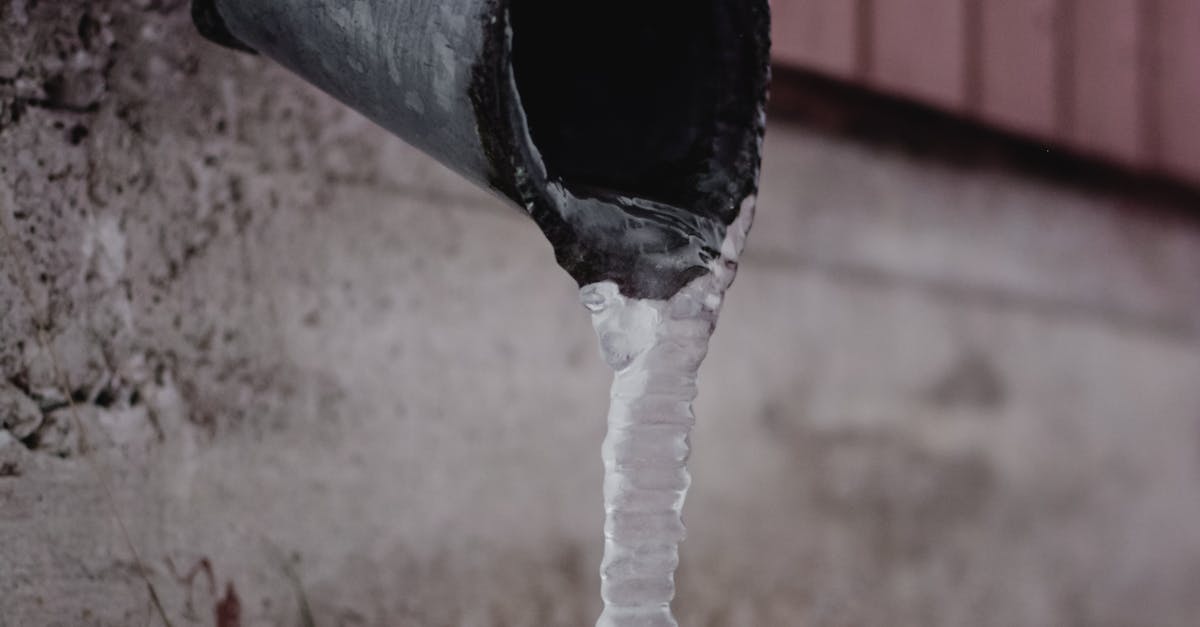
Proper insulation of exposed pipes can prevent freezing during colder months. Make sure to insulate pipes in unheated areas like basements, attics, and crawl spaces. Additionally, be mindful of what goes down your drains. Avoid flushing non-biodegradable items or pouring grease down the sink. Educating your household about these practices can foster a proactive approach to plumbing maintenance.
Emergency Leak Response
When a plumbing leak occurs, responding promptly is crucial to minimize damage. First, locate and turn off the water supply to the affected area; this action can significantly reduce water flow and prevent further complications. In cases where the leak is severe, shut off the main water supply to your home to halt the flow entirely. It’s also wise to assess the surroundings for signs of water damage, such as stains and mold growth, which may indicate the leak's impact.
After taking immediate action, it's important to contact a plumbing professional to diagnose and repair the issue. Gathering information about the leak's location and severity can help the plumber address the situation more effectively. Avoid using the affected fixtures until repairs are made to prevent additional damage or hazards. Proper documentation of the leak and any visible damage can also be useful for insurance purposes if necessary.
What to Do When You Discover a Leak
Discovering a leak can be alarming, but swift action can minimize damage. First, turn off the water supply to the affected area or the entire house if necessary. This step prevents any further water from entering your plumbing system and causing more extensive damage. Then, assess the leak's severity and location. If it’s a minor leak that you may manage temporarily, place a bucket or towel underneath to catch drips. For more significant leaks, it’s advisable to contact a licensed plumber who can provide an expert evaluation and repair.
While waiting for professional assistance, take precautions to protect your belongings. Move any furniture or valuables away from the affected area to prevent them from being damaged by water. If there's a risk of water coming into contact with electrical outlets or appliances, disconnect those immediately. Documenting the leak with photos can also be helpful for insurance claims once the situation is under control.
FAQS
What are the common types of plumbing leaks?
Common types of plumbing leaks include faucet leaks, toilet leaks, pipe leaks, and slab leaks, each originating from different plumbing fixtures or systems.
How can I identify the source of a plumbing leak?
To identify the source of a plumbing leak, look for signs such as water stains on walls or ceilings, damp areas on the floor, or the sound of running water when no taps are in use.
What preventative measures can I take to avoid plumbing leaks?
Preventative measures include regular inspections of your plumbing system, using insulated pipes, maintaining proper water pressure, and replacing old or worn-out fixtures.
What should I do immediately if I discover a leak?
If you discover a leak, immediately turn off the water supply to prevent further damage, then assess the situation and contact a professional plumber if necessary.
How often should I have my plumbing checked for leaks?
It is recommended to have your plumbing system checked for leaks at least once a year to catch any potential issues early and avoid costly repairs.