Sink installation and repair
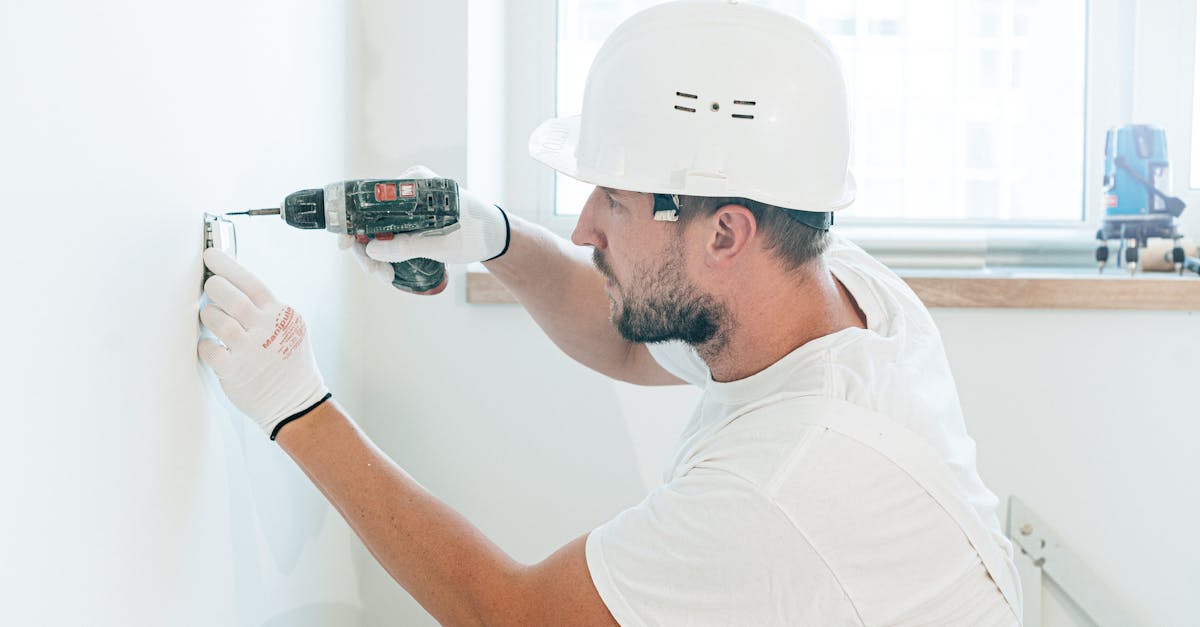
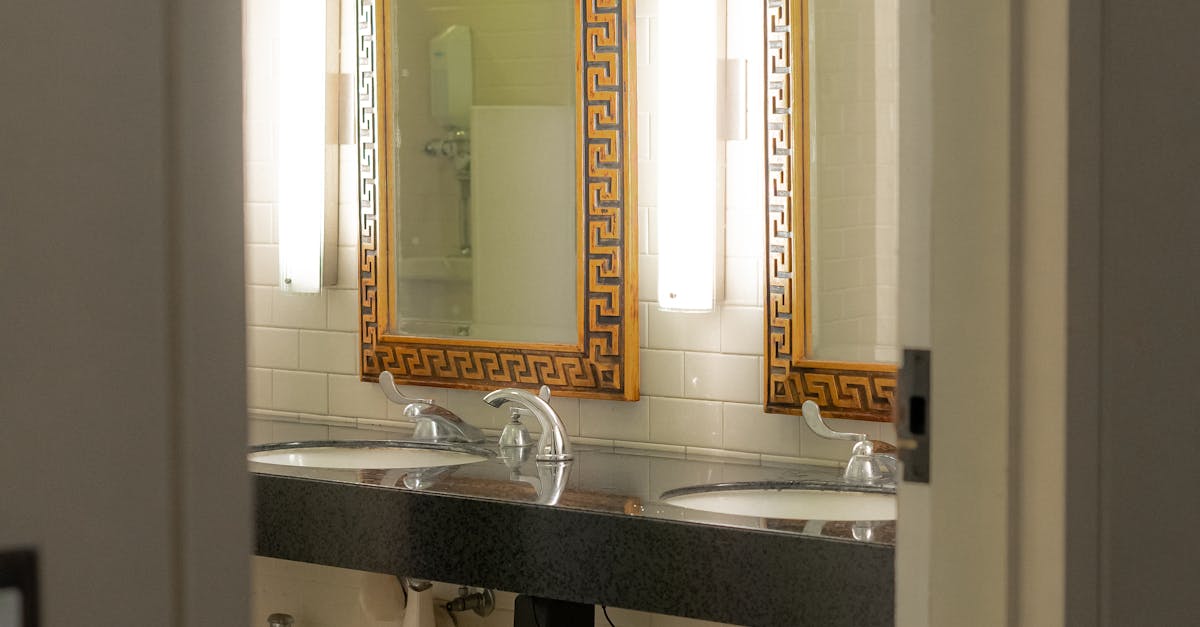
At Herb's Plumbing and Heating, we specialize in professional sink installation and repair services tailored to meet your specific needs. Whether you're upgrading your kitchen or bathroom with a new sink or need urgent repairs for a leaky or malfunctioning fixture, our experienced team is ready to assist you. We pride ourselves on delivering high-quality workmanship, utilizing the latest tools and techniques to ensure that your sink functions flawlessly and enhances the overall look of your space. With a commitment to customer satisfaction, we provide prompt, reliable service that you can trust. Choose Herb's Plumbing and Heating for all your sink installation and repair needs, and enjoy peace of mind knowing that our experts are on the job.
When to Call a Professional Plumber
Recognizing when to call a professional can save you time, money, and hassle. If you notice persistent leaks or water pooling around the sink area, these are signs that something more severe may be occurring within your plumbing system. A sudden drop in water pressure or gurgling noises emanating from drains also indicates potential clogs or issues that require expert attention. Ignoring these signs can lead to severe damage or costly repairs down the road.
Attempting DIY fixes can sometimes exacerbate the problem, especially for those unfamiliar with plumbing systems. If your attempts to unclog a drain or repair a sink have been unsuccessful, seeking professional help is advisable. Professionals have the tools and expertise to diagnose underlying issues that may not be immediately visible. Investing in expert services ensures accurate repairs and can extend the lifespan of your sink, ultimately safeguarding your home against plumbing emergencies.
Signs That Indicate You Need Expert Help
Persistent clogs can signal a problem that goes beyond simple maintenance. While plunger or drain cleaner remedies may seem sufficient, repeated issues often suggest deeper blockages or pipe damage. Assessing the situation and knowing when to seek professional assistance can prevent further complications and potentially costly repairs.
Leaking sinks require immediate attention to avoid water damage and mold growth. Whether the leak is minor or severe, delaying action can lead to more extensive issues. Similarly, unusual noises from the plumbing, such as gurgling or banging, often indicate air trapped in the pipes or loose fittings, making it wise to consult a plumber for a thorough examination.
Maintenance Tips for Your Sink
Regular cleaning is essential for maintaining your sink. Use a gentle cleanser to avoid damaging the surface, especially for materials like stainless steel, porcelain, or composite. Pay attention to the drain area, where food particles and soap scum often accumulate. A mixture of baking soda and vinegar can be an effective way to clear minor clogs and eliminate odors. Always rinse thoroughly afterward to prevent residue buildup.
Also, check for leaks around the faucet and under the sink. Even small drips can lead to larger issues over time. Tighten any loose fittings, and replace washers if needed. Consider using a sink mat to protect the surface from scratches and dents. Establishing a routine maintenance schedule can help catch issues early and extend the life of your sink.
Keeping Your Sink in Top Condition
Regular cleaning plays a significant role in maintaining your sink's appearance and functionality. Use a soft cloth and mild soap to gently scrub the surface, avoiding harsh chemicals that could damage the finish. For stubborn stains, baking soda can be an effective abrasive without scratching the material. It is essential to rinse thoroughly to prevent soap residue buildup, which can lead to dullness over time.
Additionally, inspecting the sink for leaks or wear can help identify potential issues before they escalate. Check the sink drain for clogs regularly; using a strainer can minimize debris accumulation. Ensure faucet handles operate smoothly and replace any worn-out washers or seals promptly. Taking these preventive measures will extend the lifespan of your sink and maintain its aesthetic appeal.
Upgrading Your Sink
Choosing a new sink can revitalize your kitchen or bathroom. Consider the available space and the overall design of your home. Picking a style that complements your interiors can enhance the aesthetic appeal. Material options range from stainless steel to porcelain, each offering distinct advantages and disadvantages. Assessing durability, maintenance requirements, and cost will help narrow down your choices.
Water efficiency is another crucial factor during sink upgrades. The right model can significantly impact your utility bills while contributing to water conservation efforts. Additional features like deeper basins or built-in accessories may improve functionality based on individual needs. Evaluate your cooking and cleaning habits to determine what best suits your lifestyle. This thorough examination will guide you toward a decision that satisfies both practical requirements and personal preferences.
Factors to Evaluate Before Choosing a New Sink
When selecting a new sink, consider the space available in your kitchen or bathroom. Measure the dimensions of the area where the sink will be installed to ensure a perfect fit. An oversized sink can create problems with drainage and access, while a smaller sink may not meet your functional needs. Assess the materials and styles available, from stainless steel to porcelain and natural stone. Each material offers unique benefits in terms of durability, aesthetics, and maintenance.
Functionality plays a crucial role in the decision-making process. Think about how you use your sink on a daily basis. If you do a lot of cooking or need extra space for washing dishes, a deeper or larger sink may be beneficial. Also, consider any additional features that could enhance usability, such as built-in cutting boards, drying racks, or specialized faucets. Evaluating these factors will help ensure that your new sink not only complements your space but also meets your lifestyle needs effectively.
FAQS
When should I consider calling a professional plumber for sink installation or repair?
You should consider calling a professional plumber if you notice signs such as persistent leaks, low water pressure, clogs that won’t clear, or if you're uncomfortable with DIY repairs.
What are some common signs that indicate I need expert help with my sink?
Common signs include water pooling around the base of the sink, strange noises when the faucet is running, slow drainage, or visible damage to the sink or plumbing fixtures.
How can I maintain my sink to prevent future issues?
To maintain your sink, regularly clean it using appropriate cleaners, avoid putting grease or large food particles down the drain, and periodically check for any leaks or signs of wear.
What factors should I consider when upgrading my sink?
When upgrading your sink, consider the size and design that fits your kitchen or bathroom, the materials used, compatibility with your current plumbing, and your budget.
Is it possible to install a sink myself, and what should I keep in mind?
Yes, it is possible to install a sink yourself if you have basic plumbing skills and the right tools. However, ensure you follow manufacturer instructions, check local plumbing codes, and be prepared to call a professional if you encounter complications.